
Member Spotlight: Anthony Merrill
From Royal Air Force intelligence to commercial auditing and modern OSINT, Anthony Merrill has built a career around verification, proportionality, and evidence that can withstand scrutiny.
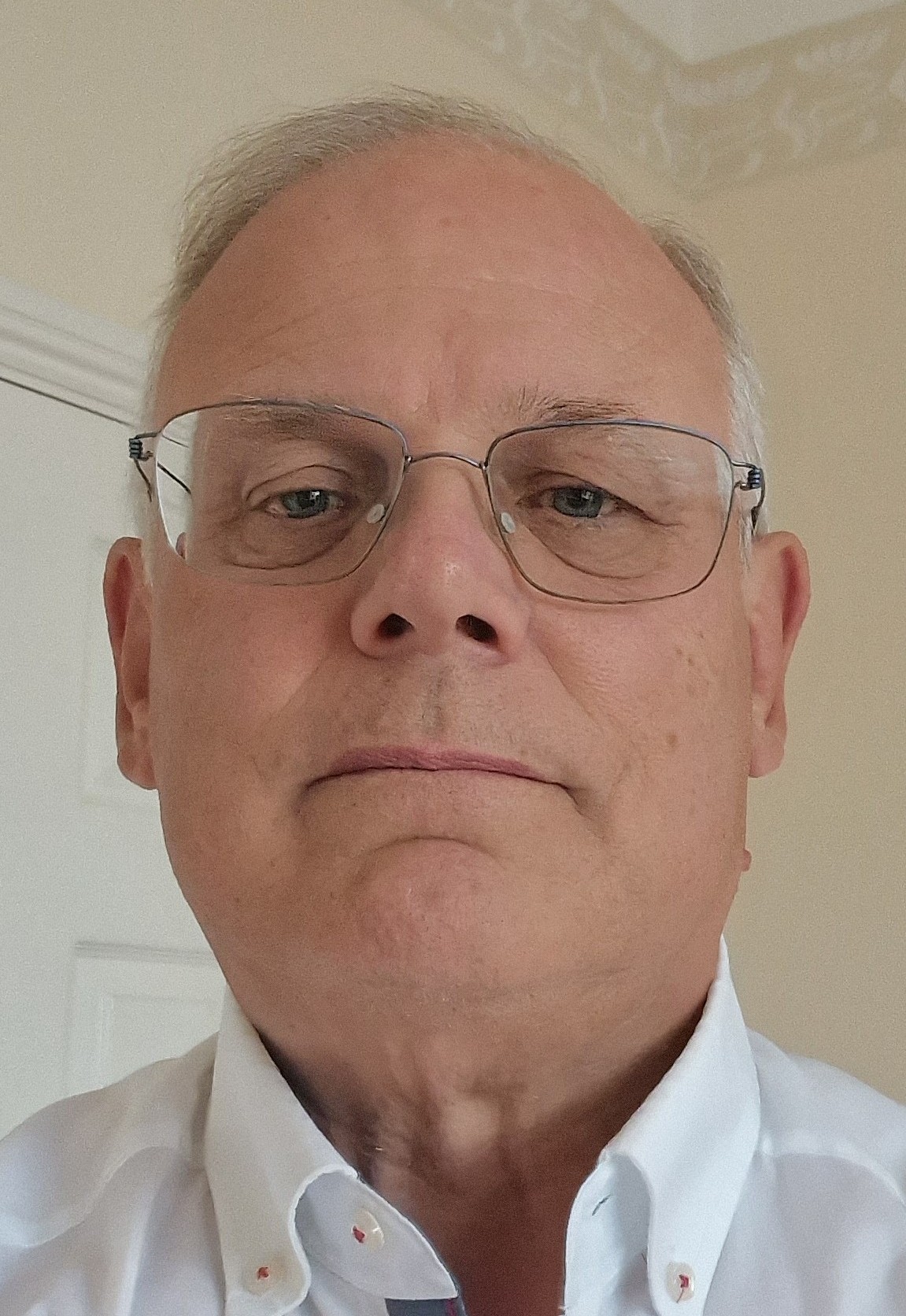
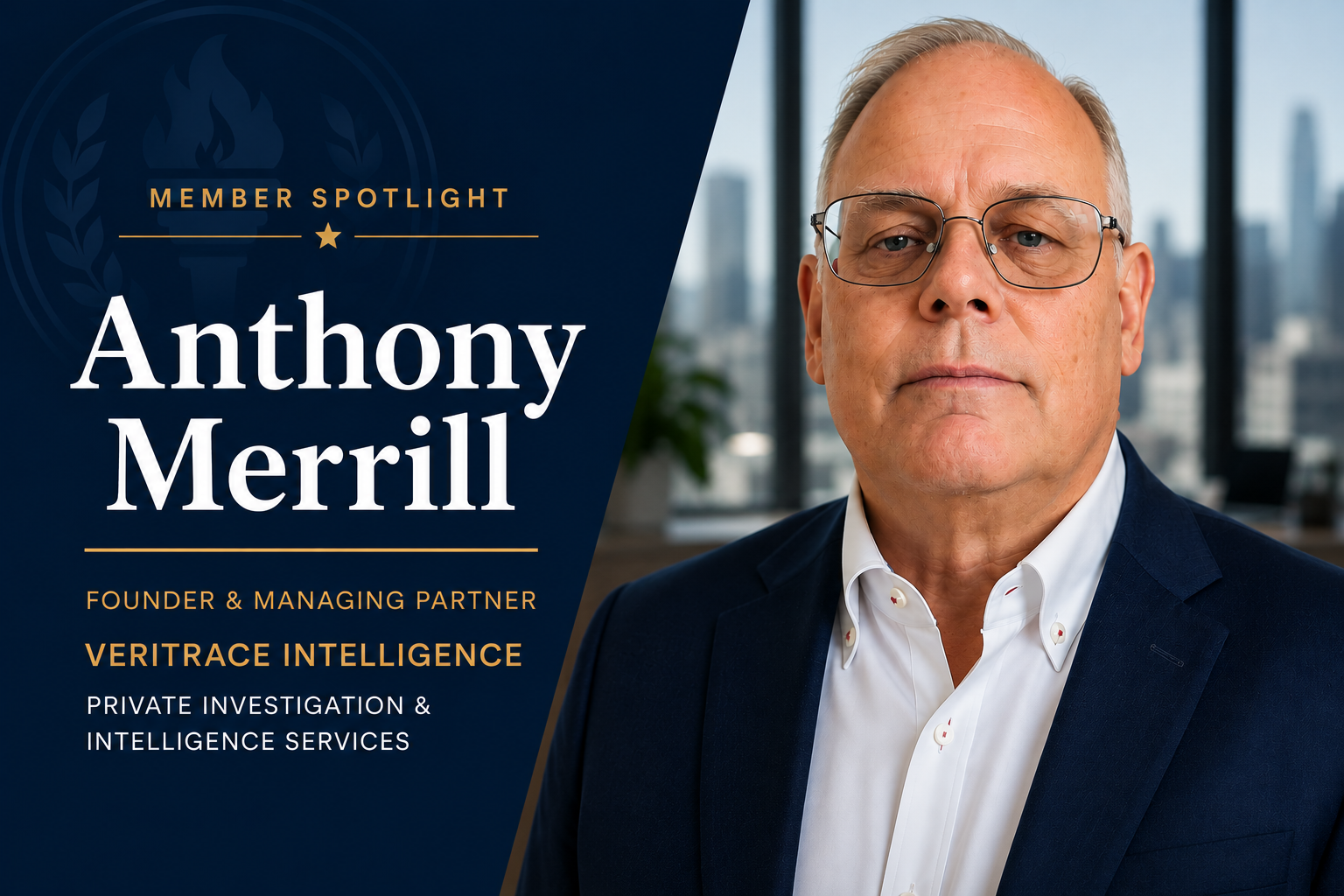
Anthony Merrill — OSMOSIS member spotlight.
Anthony Merrill brings a career spanning Royal Air Force intelligence, procurement, commercial auditing, and due diligence to his work as Co-Founder of VeriTrace Intelligence. Across each chapter, the same principle has remained constant: claims matter only when they can withstand scrutiny.
Tell us a little about yourself.
I'm Co-Founder of VeriTrace Intelligence, a UK-based desk-based OSINT and due diligence consultancy. My background is in Royal Air Force intelligence and air defence, including operational deployment during the Falklands conflict, followed by over three decades in procurement, supply chain and commercial contract management — including running a consultancy delivering benchmarking, auditing and value-for-money work to more than ninety public and private sector clients across government, defence, and law enforcement.
How did you first get into OSINT?
Through the back door, in a sense. My career has always sat at the intersection of intelligence and verification — first literally, in the RAF, and later in procurement and contract auditing, where the core discipline is the same: can you actually verify what's being claimed, and would it hold up if someone checked. Co-founding VeriTrace was the point where those two threads — military intelligence discipline and decades of commercial due diligence — converged into a formal OSINT practice.
What does a typical week look like for you?
Split between investigative work and the operational side of a young firm. That means corporate structure and beneficial-ownership research, supplier and counterparty vetting, and building out our source-grading and evidence standards to a level that would satisfy a procurement auditor or a court, not just a curious client. Alongside that: compliance groundwork — insurance, data protection registration, professional body memberships — and managing our partnership with the Humanitarian Logistics Association.
What's one technique, tool, or methodology you rely on most?
Structured link analysis in Maltego, for the same reason it mattered in procurement auditing long before I'd heard the term OSINT: fraud and misrepresentation rarely show up as a single false statement, they show up as an inconsistency between things that should line up and don't — an ownership structure that doesn't match a filing, a supplier relationship that doesn't match a claimed independence. Visualising those connections is what surfaces the inconsistency a narrative summary would miss.
Due diligence under pressure
Securing a contract worth more than £380 million on behalf of a bank during my consultancy years taught me more about due diligence under pressure than almost anything since — the scrutiny at that scale doesn't forgive sloppy verification. That same rigour is what we're now applying at VeriTrace to supplier vetting for a project in East Africa, where the stakes are different but the underlying discipline — can this be proven, not just asserted — is identical.
“The tools are the easy part. The hard part is judgement: knowing what's proportionate to gather, how confident you genuinely are in a finding, and when to stop.”
— Anthony Merrill
Ethics, in practice
VeriTrace works exclusively from lawfully accessible, open-source information — no surveillance, no pretexting, no device access. That principle gets tested most often not in dramatic moments but in mundane ones: a client wanting more certainty than proportionate research can honestly deliver. Decades of procurement auditing taught me the same lesson from a different angle — the value of an audit is worthless the moment you stretch the evidence to fit the conclusion someone wants. Holding that line is non-negotiable.
That it's a technology problem rather than a discipline problem. People assume better tools equal better intelligence. In my experience — from air defence intelligence through to commercial auditing — the tools are the easy part. The hard part is judgement: knowing what's proportionate to gather, how confident you genuinely are in a finding, and when to stop rather than keep digging past what the question actually required.
Community and what comes next
Coming from military intelligence and commercial auditing rather than a traditional OSINT or investigations background, OSMOSIS has been valuable as a place to benchmark our standards against practitioners who've built their careers in this specific field — a useful check that the rigour we're applying at VeriTrace genuinely meets the profession's bar, not just our own.
Learn to audit your own work as ruthlessly as you'd audit someone else's claims. Thirty years in procurement taught me that the biggest risk isn't usually external deception — it's your own confirmation bias creeping into how you interpret ambiguous findings. Build the habit of asking "would this survive someone else checking it" before you ever present a conclusion.
Proportionality, evidential rigour, and restraint applied consistently — treating every finding as something that should be defensible under scrutiny, not just plausible on first read. That standard doesn't change whether you're auditing a multi-million-pound government contract or vetting a local supplier for a humanitarian project; the discipline is identical, only the stakes differ.